
 Margarita Yokoyama asked 1 month ago
Navigating the world of nutraceutical production requires a deep understanding of how Dietary Supplement Manufacturing Factory Supplement Manufacturing Factories operate, from raw material intake to finished goods shipping. These facilities are not one-size-fits-all; some specialize in high-speed encapsulation of dry powders, while others focus on complex liquid extractions or gummy production lines. Unlike standard food processing plants, these factories must adhere to strict Current Good Manufacturing Practices enforced by the FDA, which mandate everything from employee hygiene training to full traceability of every lot of raw material.
For smaller runs, some factories maintain low-volume encapsulators that allow for batch sizes as small as 1,000 bottles, which is ideal for startups testing market response. A factory specializing in softgels must have sophisticated rotary die machines and tumble dryers, as well as precise control over gelatin viscosity and seam strength.
If a factory lacks in-house analytical labs, they should at least partner with certified external laboratories to confirm potency and screen for heavy metals, pesticides, or microbial contamination. The quarantine area for unapproved materials must be physically segregated from active production zones, with clear labeling and access controls.
For example, a probiotic factory must demonstrate that their bottling line can maintain low humidity and oxygen levels, or the live cultures will die before reaching consumers. Many factories also handle secondary packaging, including shrink banding, cartoning, and even assembling promotional displays for retail.
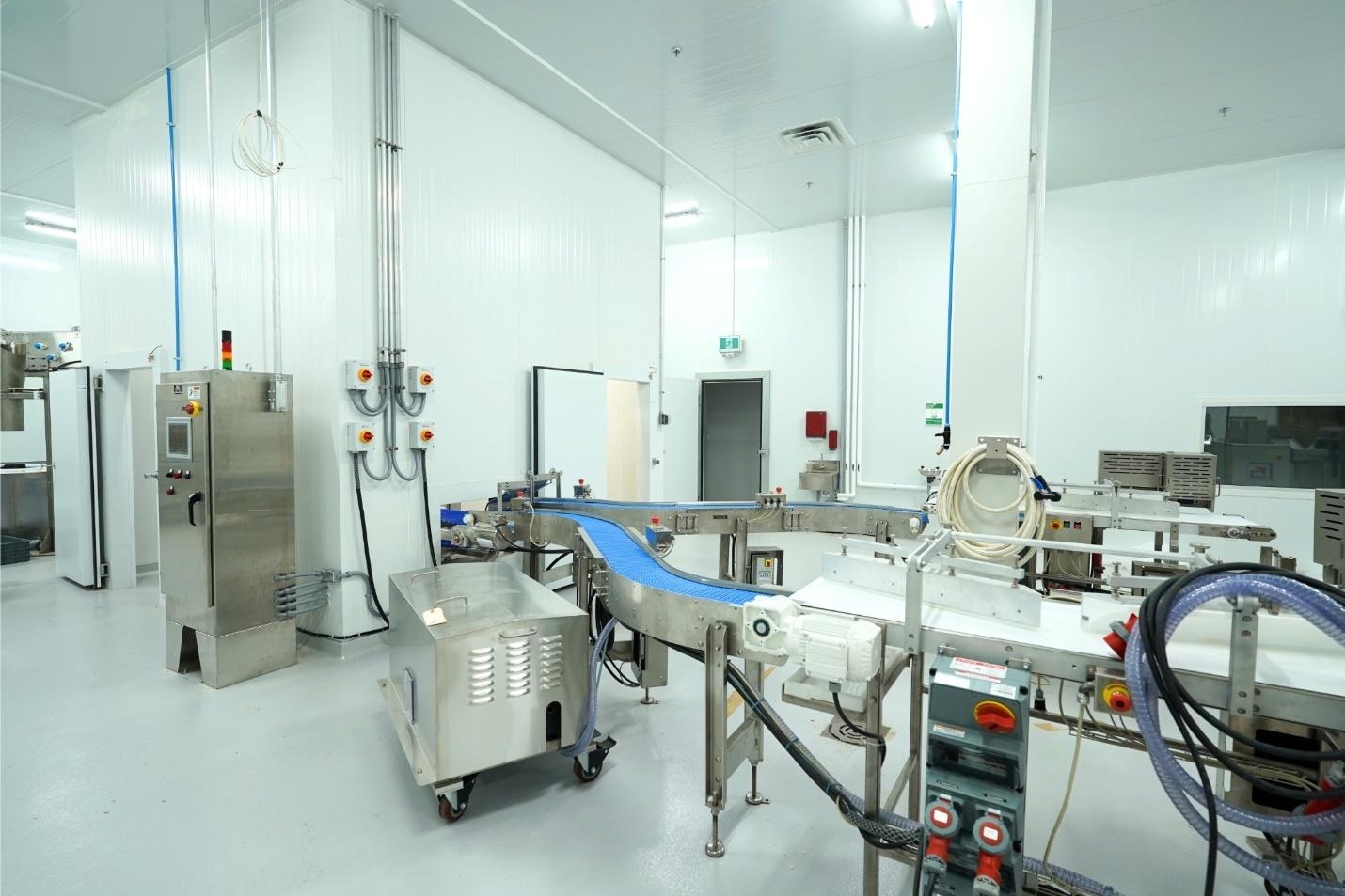 Capacity planning and minimum order quantities vary widely between factories, often reflecting the scale of their equipment and bulk material purchasing power. Factories that run many small batches often have higher per-unit costs because they spend more time on cleaning and documentation than on actual production.
By thoroughly vetting these operational and quality aspects, brands can build a long-term partnership with a factory that grows alongside their product portfolio.