
 Wendell Ratcliffe asked 7 hours ago
When tackling any electrical project whether a new home build, a commercial office renovation, or an industrial plant expansion the quality and selection of your electrical installation equipment will determine how smoothly the job proceeds and how safe the final system will be. This category includes everything that electricians use to mount, protect, connect, and route conductors, from the service entrance all the way to the last outlet. Key items include liquid-tight flexible conduit, as well as pull boxes, wire mesh trays, and clips. Each piece must be chosen for the specific environment: indoor dry, outdoor wet, hazardous location, or corrosive area. Cutting corners on installation equipment often leads to loose connections, damaged insulation, moisture ingress, and failed inspections. Conversely, using the right boxes, conduits, and supports makes for a system that lasts decades with minimal maintenance. Understanding the strengths and limitations of each type of installation gear is therefore essential for any contractor.
 Perhaps the most fundamental category of electrical installation equipment is wire pathways. Conduit serves three vital purposes: it provides physical protection against impact, abrasion, and even rodents; it acts as a grounding path when made of metal; and it contains any arcing or flame in the event of a fault long enough to clear the breaker. For most indoor commercial and industrial work, electrical metallic tubing (EMT) is the go-to choice because it is lightweight, easy to bend with a hand bender, and Going Listed here reasonably priced. However, EMT is not suitable for wet locations or where subject to severe physical damage. For those conditions, heavy-wall pipe or intermediate metal conduit (IMC) offers much thicker walls and superior corrosion resistance when galvanized or coated. In environments with moisture or chemicals, nonmetallic raceway shines: it never rusts, is inexpensive, and can be glued quickly. The downside of PVC is that it requires more supports than metal and can become brittle in extreme cold. For final connections to vibrating machinery like motors or compressors, sealtight is indispensable because it dampens vibration while keeping water and oil out.
Another cornerstone of installation equipment is the humble junction box. Boxes serve as the termination point for cables or conduit, providing a safe enclosure for wire splices, switches, and receptacles. Code requires that every splice and every device be housed inside a box that is accessible without damaging the building finish. Boxes come in many materials: PVC and in many shapes: round for ceiling fixtures, rectangular for outlets, and octagonal for light fittings. One of the most common installation mistakes is overfilling a box jamming too many wires, connectors, and devices into too small a space. Overfilled boxes lead to overheated connections and make troubleshooting a nightmare. To prevent this, the National Electrical Code (NEC) provides box fill calculations that count each conductor, clamp, and device. Modern electricians often use old-work boxes with flip-out wings to save time and ensure compliance. When installing boxes in exterior walls, always select bubble covers for outlets so that cords can remain plugged in while the cover is closed against rain.
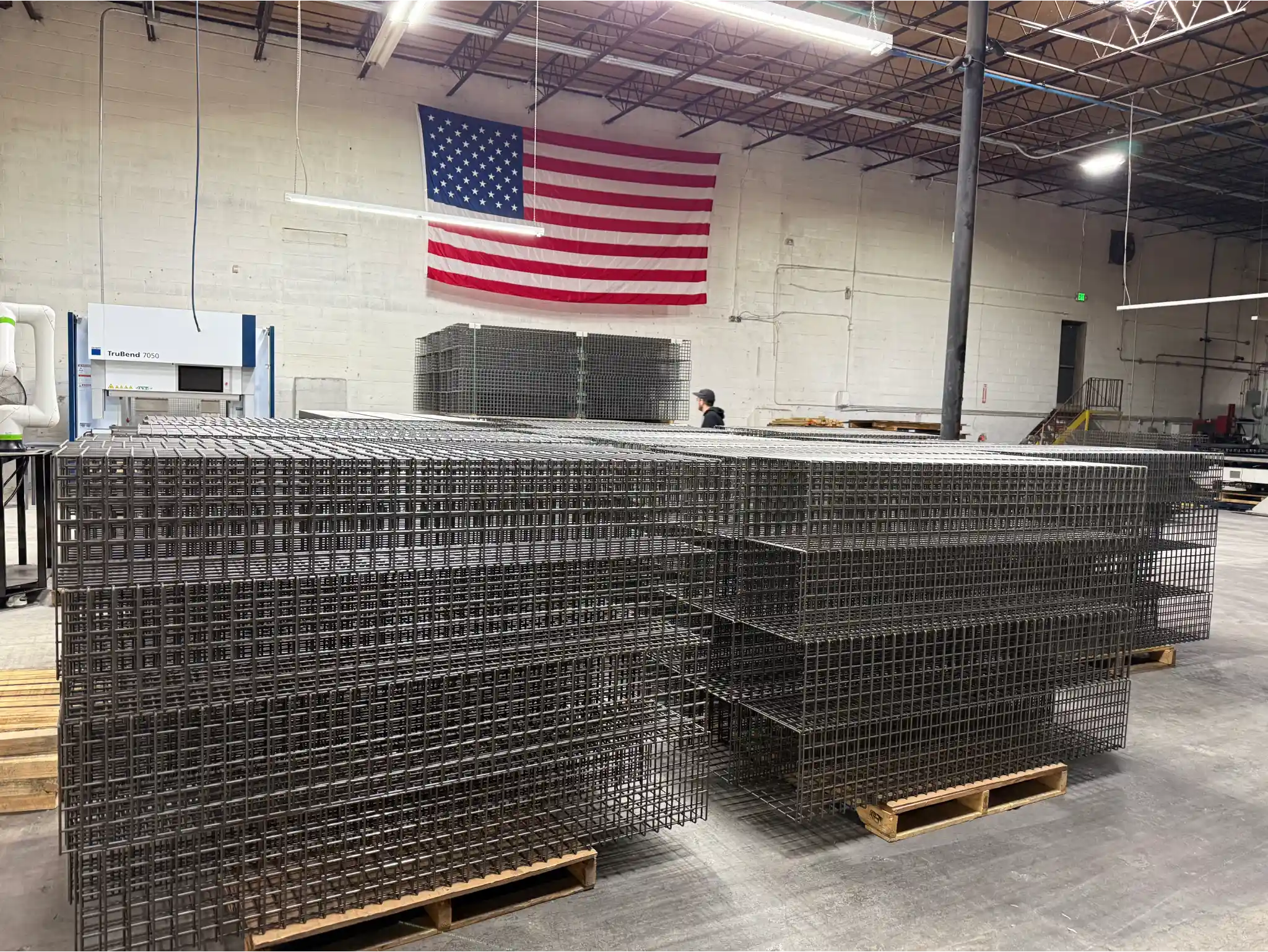
For large-scale cable management, especially in data centers or industrial plants, wire mesh basket tray is a game-changer. Cable tray supports and organizes dozens or even hundreds of cables without the labor cost of individual conduits. It allows for easy adds, moves, and changes because you can simply lay a new cable into the tray and secure it with a Velcro tie. Cable tray systems must be selected based on the type of cables: solid bottom for small control wires that might fall through, ladder type for thick power cables that need ventilation, and ventilated trough for mixed applications. Support spacing is critical tray that sags under cable weight can damage conductors and looks unprofessional. Additionally, metal cable tray, when properly bonded, provides an excellent equipment grounding path. However, never mix power and data cables in the same tray without a metallic barrier, as induction from power circuits will corrupt network signals. Installers should also use protective lids in areas where falling debris or dust might accumulate on cables, creating a fire hazard.
Finally, do not overlook anti-short bushings. Items like all-thread rod may seem secondary, but they ensure that conduit and boxes stay firmly mounted, even under vibration from nearby machinery. For armored cable (AC or MC), installing an anti-short bushing is a small step that prevents the sharp metal edge of the armor from cutting into the wire insulation a common cause of mysterious ground faults. Likewise, when transitioning from rigid conduit to a box, a bonding locknut ensures a reliable low-impedance path for fault current. In the end, selecting code-compliant, job-rated installation equipment and taking the time to install it neatly is not just about passing inspection it is about creating an electrical system that is safe to work on, easy to modify, and free from nuisance failures. Whether you are bending EMT for a new shop or laying cable tray for a solar farm, the gear you choose to install is the silent foundation of everything that follows.